Stable conveying
Review elasticity and surface profile against contact position and load.
 JUNSHIDA
For compliant board conveying, holding and guiding. Match the wheel profile and mounting details to the board and contact pressure.
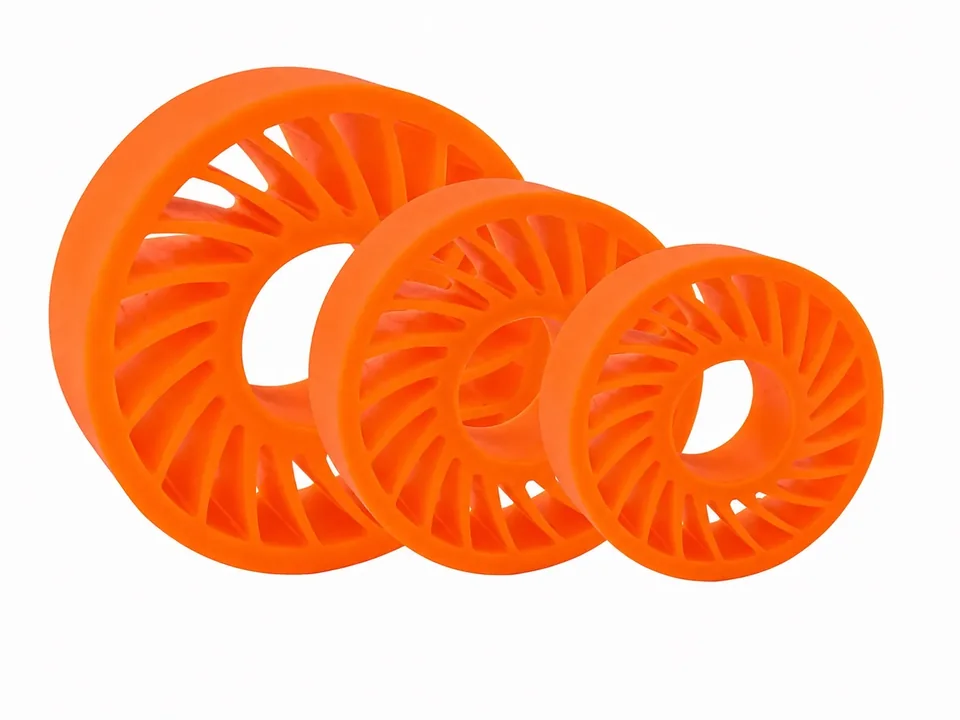
Sun wheels are used where corrugated board must be conveyed or held without unnecessary crushing. The wheel must provide useful friction while matching the machine interface.
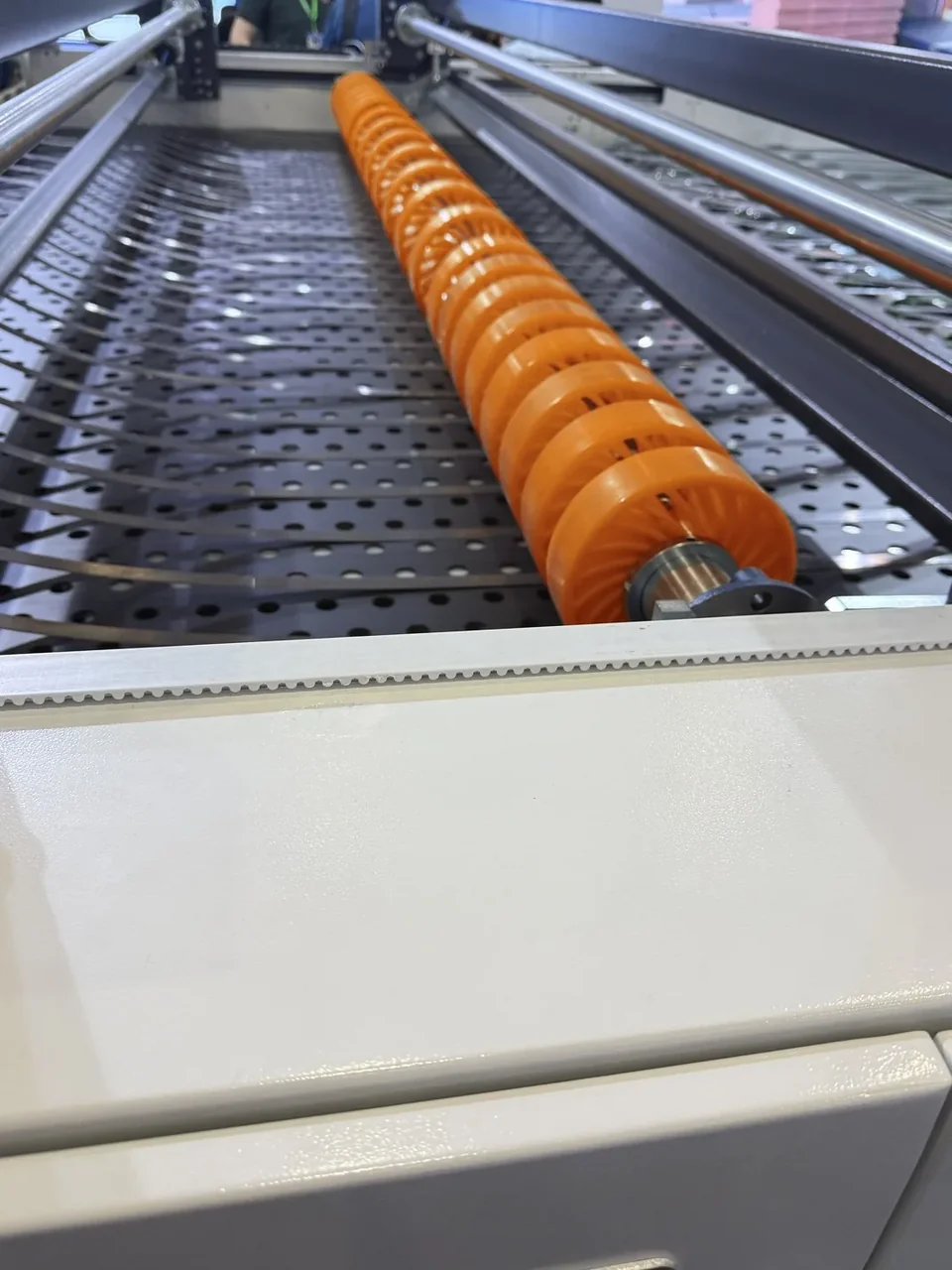
Review elasticity and surface profile against contact position and load.
Confirm diameter, bore, width, keyway and mounting method.
Use a complete sample when tooth geometry or legacy specifications are unclear.
| Dimensions | Outside diameter, bore, width and hub dimensions |
|---|---|
| Surface | Tooth, slot, circumferential profile or smooth design |
| Mounting | Keyway, fastening method, bushing or machine-specific connection |
| Material | Polyurethane hardness, elasticity, color and environment |
| Inquiry data | Machine position, current-wheel photographs, dimensions, quantity and problem |
Sun wheels provide compliant conveying and guiding; lead edge wheels work in the feeder. Similar appearance does not make them interchangeable.
Confirm bore, bearing, hub, holes, pins and contact profile. Use a physical sample for complex geometry.
Review board type, contact pressure and operating conditions. Colour alone does not identify hardness or material specification.
Measure the maximum diameter and note whether the original wheel is visibly worn.
Record shaft or bearing dimensions, overall width and contact-face width.
Photograph teeth, slots, grooves and openings from the front, side and back.
Confirm hubs, hole counts and spacing; include drive-pin diameter, height and position where fitted.
Provide machine model, position, board type, known hardness and required quantity.
For slipping, marks or skew, include speed, pressure, wear pattern and photographs of the installed set.
Dimensions, contact profile, bearing or hub details can be reviewed from photographs, a drawing or a sample.
No. Hardness, geometry, contact pressure, wear and diameter consistency across the set must be reviewed together.
Clear measurements and photos may be enough for a simple structure. A sample is recommended for complex profiles or special mounting details.
Trial suitability depends on dimensions, mold requirements and the production schedule.
Share your machine, dimensions and operating conditions.
We’ll help you confirm the material and structure.